ByJohn A
Durable Fixed Flat Glass Rooflight for Offices, Extensions, and Flat Roof Projects
A fixed flat glass rooflight can provide natural daylight without adding the complexity of an opening mechanism. With a clean, contemporary appearance and a direct view of the sky, fixed rooflights are increasingly used in residential extensions, offices, commercial properties, and other flat-roof projects.
For customers looking for a durable fixed flat glass rooflight, product selection should consider more than appearance. Glazing specification, thermal performance, structural requirements, weatherproofing, and installation all contribute to long-term performance.
Skylights Roof Lanterns offers roof glazing solutions suitable for a range of applications.
What Is a Fixed Flat Glass Rooflight?
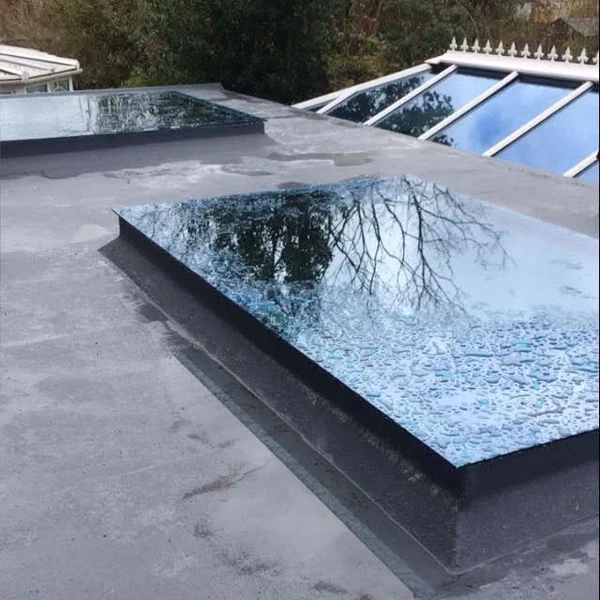
A fixed flat glass rooflight is a non-opening glazed unit installed into a flat or low-pitched roof. Unlike an opening rooflight, it remains permanently closed and is primarily designed to provide natural daylight.
Its flat profile can create a minimalist appearance, making it suitable for contemporary architectural projects.
Fixed rooflights can be installed in:
- Home extensions
- Kitchen extensions
- Offices
- Garden rooms
- Commercial buildings
- Flat-roof renovations
- Internal workspaces
- Educational buildings
Why Choose Fixed Glass?
Glass offers a clear view of the sky and can provide excellent daylight transmission.
A flat glass rooflight can also complement modern architectural designs. Its relatively low-profile appearance means it can be less visually dominant than a raised roof lantern.
For projects where the goal is simply to introduce daylight while maintaining clean roof lines, a fixed glass rooflight can be a practical option.
Durability and Glazing Specification
A durable rooflight needs to withstand the conditions associated with overhead installation.
The glass specification should be selected according to the building, roof structure, safety requirements, and intended application. Safety glazing may be required to reduce risks associated with breakage.
The frame and seals are also important. A high-quality rooflight is only as reliable as its weakest component, which means the glazing, frame, seals, and roof interface should all work together.
Thermal Performance
Energy efficiency is an important consideration for modern roof glazing.
Large areas of glazing can affect the thermal behaviour of a building. Depending on the specification, high-performance glass can help control heat transfer.
Low-emissivity coatings can support thermal insulation, while solar-control glass can be useful where excessive solar gain is a concern.
The correct combination depends on the building’s orientation, climate, room use, and amount of glazing.
Fixed Rooflight for Offices
Offices can benefit from overhead daylight, particularly where the centre of the floor plan is far from external walls.
A fixed rooflight can provide natural light while allowing the office to maintain separate ventilation systems through windows, mechanical ventilation, or other openings.
Daylight can also influence the appearance of the workspace, making interior areas feel more open and connected to the outdoors.
For office projects, the rooflight should be planned as part of the overall lighting strategy.
Fixed Rooflight for Home Extensions
Kitchen and dining extensions are popular locations for fixed flat glass rooflights.
A rooflight can introduce daylight into an extension while maintaining a clean ceiling design. Larger rooflights can become a central architectural feature, while smaller units can provide targeted illumination.
Homeowners should consider the position of furniture, kitchen cabinets, roof structure, sunlight direction, and potential glare before finalising the location.
Installation in Flat Roof Projects
Flat-roof rooflights need careful installation because the roof must remain weatherproof around the glazed opening.
The installation typically involves a prepared structural opening, suitable kerb or upstand, roof membrane detailing, and secure fixing of the rooflight.
The rooflight should be compatible with the roofing system being used. A waterproof junction is essential to prevent moisture entering the building.
Cleaning and Maintenance
Like other forms of roof glazing, fixed flat glass rooflights are exposed to the elements.
Rain, dust, leaves, and airborne pollution can affect the appearance of the glazing. Regular inspection and cleaning can help maintain daylight transmission and identify potential problems.
Maintenance should include checking the frame, seals, roof junction, and surrounding roof surface.
Flat Glass Rooflight vs Roof Lantern
Both products can introduce substantial natural daylight, but their designs are different.
A flat glass rooflight generally has a low-profile appearance and sits close to the roof plane. A roof lantern is raised above the roof and typically features several glazed faces.
A flat glass rooflight may therefore suit projects where a modern, understated appearance is preferred, while a roof lantern can create a more prominent architectural feature.
Skylights Roof Lanterns
Skylights Roof Lanterns provides roof glazing solutions for residential and commercial applications.
Customers considering a fixed rooflight should assess their roof type, opening size, glazing specification, thermal requirements, and installation conditions before selecting a product.
The goal should be to create a balanced solution that provides natural daylight while maintaining the required structural and weatherproofing performance.
Conclusion
A durable fixed flat glass rooflight can be a practical daylighting solution for offices, extensions, and flat-roof projects.
Its fixed construction provides a straightforward way to introduce natural light without requiring an opening mechanism. When combined with appropriate safety glazing, thermal performance, quality framing, and professional installation, a fixed glass rooflight can provide long-term value for both residential and commercial buildings.