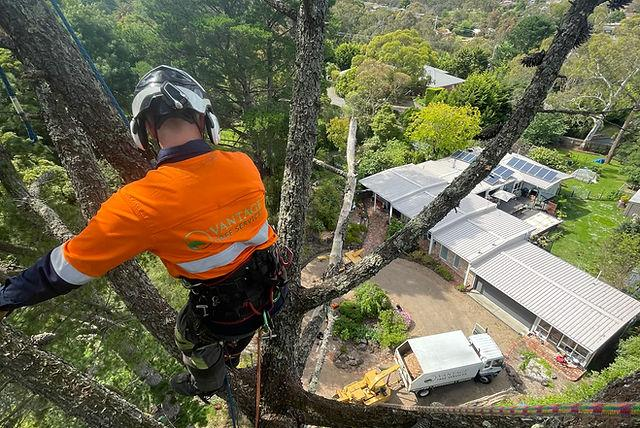

Trees are an essential part of any outdoor landscape, offering shade, improving air quality, supporting local wildlife, and enhancing the appearance of residential and commercial properties. However, maintaining healthy trees requires regular care and attention. Overgrown branches, deadwood, and damaged limbs can affect a tree’s structure, appearance, and safety. This is where professional Tree Pruning in Belgrave can make a difference.
Tree pruning involves selectively removing branches to improve tree structure, manage growth, and address potential hazards. When performed correctly, it can support healthy development and help trees remain attractive features of your property. Understanding the benefits, methods, and timing of tree pruning can help homeowners make informed decisions about their outdoor spaces.
Why Is Tree Pruning Essential for Healthy Trees?
Professional Tree Pruning in Belgrave helps property owners maintain healthy trees, manage overgrown branches, and improve the safety and appearance of their outdoor spaces. Removing selected branches can improve the tree’s structure and reduce problems caused by excessive or unhealthy growth.
One of the main benefits of pruning is the removal of dead, diseased, and broken branches. These branches may fall unexpectedly or provide entry points for certain pests and diseases. Addressing them appropriately helps manage potential risks and supports the tree’s overall condition.
Pruning can also improve the distribution of branches and help maintain a balanced canopy. This may allow better light penetration and airflow through the tree, depending on its species and natural growth pattern.
For property owners, regular tree care can also improve garden appearance, maintain clearance around buildings, and reduce interference with pathways and driveways.
Common Tree Pruning Services in Belgrave
Different trees require different pruning techniques depending on their age, species, condition, and location. Understanding the available options can help you identify the most suitable approach.
1. Crown Cleaning and Deadwood Removal
Crown cleaning involves removing dead, dying, broken, or diseased branches from a tree’s canopy. These branches can create safety concerns, particularly when they hang above roofs, outdoor seating areas, driveways, or pedestrian pathways.
Removing damaged branches can help reduce the likelihood of falling limbs and improve the tree’s overall appearance. However, pruning should be performed carefully to avoid removing too much healthy foliage.
A professional assessment can determine which branches need attention and how the work should be carried out safely.
2. Crown Thinning for Better Airflow
Crown thinning involves selectively removing certain branches to reduce excessive density within the canopy while preserving the tree’s natural shape.
When performed appropriately, this technique can improve light penetration and airflow through the branches. It may also help maintain a more balanced canopy.
However, excessive thinning can weaken a tree and expose previously shaded branches to environmental stress. The amount of foliage removed should therefore be limited to what is appropriate for the particular tree.
3. Crown Reduction for Overgrown Trees
Some trees grow beyond the space available in a garden or develop branches that interfere with buildings and other structures. Crown reduction involves carefully reducing the height or spread of a tree while maintaining its natural form as much as possible.
This technique differs from indiscriminate topping, which removes large portions of the canopy and can cause significant structural damage.
Professional Tree Pruning in Belgrave can help manage overgrown trees using suitable pruning cuts and methods that respect the tree’s growth characteristics.
4. Structural Pruning for Young Trees
Young trees benefit from early structural guidance that encourages the development of a strong framework. Structural pruning may involve addressing crossing branches, competing leaders, or poorly positioned growth.
Establishing a suitable structure early can reduce the need for more extensive corrective work as the tree matures.
The correct approach depends on the species, growth stage, and intended role of the tree within the landscape.
Signs Your Trees May Need Professional Pruning
Recognising when a tree requires attention can help property owners address potential issues before they become more serious.
Dead or broken branches: Branches without healthy foliage during the appropriate growing period, or limbs visibly damaged by storms, may require assessment.
Overgrown canopies: Branches extending over roofs, driveways, pathways, or neighbouring properties may need selective pruning to maintain suitable clearance.
Crossing or rubbing branches: Branches that repeatedly rub against one another can develop wounds that affect their condition.
Dense or unbalanced growth: An overcrowded canopy or uneven branch structure may benefit from an appropriate pruning assessment.
Storm damage: Strong winds and heavy rainfall can break branches or reveal structural weaknesses that require professional attention.
Not every tree with these characteristics needs extensive pruning. A qualified tree professional can assess the condition and recommend an appropriate level of maintenance.
When Is the Best Time to Prune Trees in Belgrave?
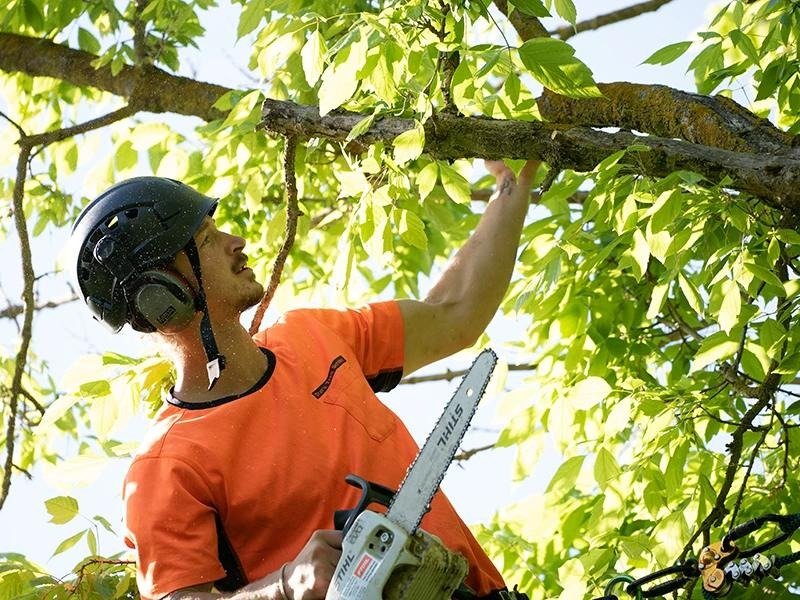
The ideal pruning time depends on the tree species, its health, the purpose of the work, and local growing conditions. Belgrave, Victoria, experiences seasonal changes that can influence tree growth and maintenance requirements.
For many trees, routine structural pruning can be planned during suitable periods of the year when the work is less likely to interfere with flowering, fruit production, or recovery. However, there is no single pruning season that is appropriate for every species.
Some trees respond better to pruning at particular stages of growth, while others may be sensitive to certain types of cutting. Flowering trees may also require careful timing to avoid unnecessarily removing developing flower buds.
Dead, broken, or hazardous branches may need attention regardless of the season. Following storms, property owners should inspect trees from a safe distance and arrange professional advice when damage is visible.
Before undertaking significant pruning, it is sensible to consider the tree’s species, current condition, and any applicable local restrictions.
How Professional Tree Pruning Protects Your Property
Tree branches growing too close to structures can create maintenance difficulties and potential hazards. Overhanging limbs may interfere with roofs and gutters, while branches extending across pathways can obstruct movement.
Pruning can help maintain appropriate clearance around buildings, fences, driveways, and outdoor living areas. It can also improve visibility around entrances and reduce interference with access routes.
Professional tree care is particularly valuable when branches are large, elevated, damaged, or positioned close to buildings. Trained workers can assess the risks, choose suitable equipment, and plan the work to reduce the likelihood of injury or property damage.
If branches are close to electrical power lines, do not attempt to prune them yourself. Contact the relevant electricity provider or an appropriately authorised professional.
What Factors Affect Tree Pruning Costs in Belgrave?
The cost of tree pruning can vary depending on the work required and the conditions surrounding the tree. Understanding the main pricing factors can help you plan your maintenance budget.
Tree height and canopy size influence the amount of labour and equipment needed. Larger trees may require specialised access equipment or climbing techniques, particularly when branches are difficult to reach.
The tree’s condition is another consideration. Damaged, unstable, or diseased trees may require additional precautions. Limited access, nearby buildings, fences, and overhead obstacles can also increase the complexity of the job.
The type of pruning requested will affect the final price. Removing a few damaged branches is generally different from carrying out extensive crown reduction or structural pruning.
When requesting a quote, ask for a clear breakdown of the work, including branch removal, debris disposal, and site cleanup. Comparing detailed estimates can help you understand the services offered and choose an option that suits your needs.
Local Considerations Before Pruning Trees in Belgrave
Before arranging substantial pruning, property owners should check whether local regulations or vegetation controls apply. Requirements may depend on the property’s location, the tree’s characteristics, and relevant planning provisions in the Belgrave area.
Certain trees may be protected by local council requirements or planning overlays. Permission may be necessary before carrying out particular types of work, even when the tree is located on private property.
Contact the relevant local council to confirm the rules that apply to your property before beginning significant pruning. It is also important to consider neighbouring properties and avoid allowing cut branches or equipment to create hazards in shared areas.
Taking these precautions can help prevent unnecessary delays and ensure that tree maintenance is carried out responsibly.
Conclusion
Healthy trees require appropriate care, and pruning is an important part of maintaining their structure, appearance, and safety. From removing deadwood and managing dense canopies to correcting young trees’ growth patterns, the right pruning approach can support long-term tree health.
Professional Tree Pruning in Belgrave helps property owners identify maintenance needs, manage overgrown branches, and reduce potential hazards around homes and gardens. By understanding the available pruning methods, choosing suitable timing, and checking local requirements, you can make informed decisions about your trees.
Regular inspections and carefully planned maintenance can help preserve the benefits trees provide while creating a safer and more attractive outdoor environment for years to come.