ByJohn A
Winter Pipe Breaks in City Homes: The Two Weak Points Most Properties Have
There is nothing quite like the sound of rushing water in the middle of a freezing January night to make a homeowner’s heart sink. It usually starts with a quiet drip or a strange hiss behind a wall, but it quickly escalates into a full-blown crisis that can ruin floors and ceilings in minutes. Finding reliable solutions for burst pipes and major leaks becomes the only thing on your mind when the temperature drops below zero, and your living room starts looking like a swimming pool. Understanding why this happens specifically in city environments is the first step toward keeping your home dry this season.
The Vulnerability of the External Spigot
Most people remember to bring their plants inside and pull out the heavy blankets when the first frost hits, but the outdoor garden hose setup is frequently overlooked. This is the most common fail point in residential properties. Even if you have turned the handle all the way to the “off” position, water remains trapped in the pipe leading to the faucet. If you leave a garden hose attached, that water has nowhere to go.
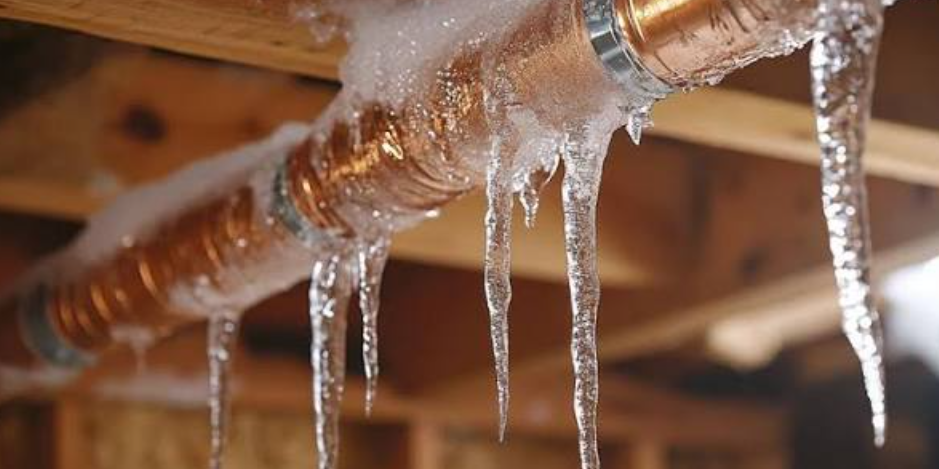
When that trapped water freezes, it expands with incredible force. Since copper and plastic pipes aren’t designed to stretch, the pressure causes the metal or PVC to split wide open. The real kicker? You might not even know it happened until the first warm day of spring, when you turn the water back on and realize the pipe burst inside your wall over the winter. To avoid this, disconnect all hoses, shut off the interior valve leading to the outside, and drain the line completely before the deep freeze sets in.
Uninsulated Pipes in Crawl Spaces and Basements
The second major weak point is found in the dark, forgotten corners of the home. In many city builds/ projects, especially older townhomes or renovated properties, plumbing lines are often run through unheated basements, crawl spaces, or even along the inside of exterior walls. These areas are rarely as well-insulated as the rest of the house. When the wind chill rises, these “dead zones” drop to freezing even if your thermostat is set to 70 degrees.
Kitchen sinks located against an outside wall are notorious for this. Because the cabinet doors stay closed, the warm air from your kitchen can’t reach the pipes tucked away at the back of the vanity. A simple trick to combat this is to leave those cabinet doors open during extreme cold snaps to let the house heat circulate through the plumbing. For pipes in crawl spaces, using foam sleeves or heat tape is a DIY weekend project that can save you thousands of dollars in restoration costs.
Why City Homes Face Unique Challenges
Living in a dense urban environment adds a layer of complexity to plumbing maintenance. In many cities, homes are built very close together or share “party walls” that may not be adequately insulated. If your neighbor leaves their unit vacant and turns off the heat, the pipes on your side of the shared wall could be at risk. Additionally, older city infrastructure often means your main water line might be closer to the frost line than modern building codes would allow.
If you find yourself staring at a geyser in your basement, your first move should always be to locate the main water shut-off valve. Knowing where this is located can be the difference between a small mop-up job and a total loss of your property. If the situation is beyond a simple patch, you will likely need to call for emergency plumbing services to handle the high-pressure repairs and ensure the system is safe to turn back on.
Staying Proactive This Winter
The best defense against a flooded home is a quick walk-through before the snow starts falling. Check your attic, look in the dark corners of your basement, and feel for cold drafts near your pipes.
It only takes one night of record-breaking lows to turn a tiny hairline crack into a catastrophic failure. If you take the time to wrap your exposed lines and manage your outdoor fixtures now, you can sleep much better when the winter storms arrive.
See also: Artificial Intelligence in Loan Approvals
Final Word
Dealing with water damage is an exhausting, expensive process no one wants to endure during the holidays. By focusing on these two primary weak points, you are already ahead of most homeowners in the city. However, if the worst happens and you find yourself ankle-deep in water, remember that there are reliable solutions for burst pipes and major leaks available to get your home back in order. Stay warm, stay dry, and keep an eye on those thermometers.