ByJohn A
Why Secure Asset & Hard Drive Recycling Matters for Data Security
Businesses regularly replace computers, servers, hard drives, laptops, and other electronic equipment as technology becomes outdated or no longer meets operational requirements. However, retiring this equipment involves more than simply removing it from the workplace. Storage devices may continue to contain sensitive information even after they are no longer in use. Secure asset & hard drive recycling provides a structured approach to managing unwanted technology while addressing both data security and responsible electronic waste management.
Proper procedures can help organisations reduce the risk of unauthorised access to information while ensuring retired equipment and recyclable materials are handled appropriately.
Understanding IT Asset Disposal
IT asset disposal refers to the process of managing electronic equipment that has reached the end of its useful life or is no longer required.
See also: Artificial Intelligence in Loan Approvals
What Counts as an IT Asset?
Common examples include:
- Desktop computers
- Laptops
- Hard drives and solid-state drives
- Servers
- Monitors
- Printers
- Networking equipment
- Mobile devices
- Storage media
- Peripheral equipment
These assets may contain business information, employee records, customer data, financial documents, passwords, emails, or other confidential information.
Before equipment leaves an organisation, it is important to determine whether the device can be reused, refurbished, recycled, or securely destroyed.
Why Hard Drives Require Special Attention
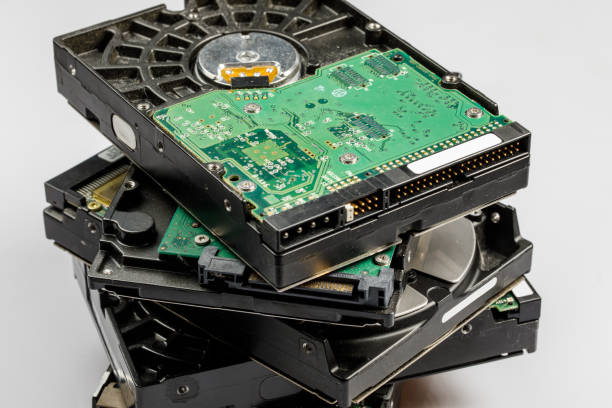
Hard drives and other storage devices are different from many electronic components because they can retain large amounts of information.
Deleted Files May Not Be Truly Gone
Deleting a file or emptying a recycle bin does not necessarily make the underlying information inaccessible. Depending on the storage technology and disposal method, data may remain recoverable.
A device that appears empty can therefore still present a data security concern if it is transferred to another party without appropriate data destruction or sanitisation.
Old Devices Can Contain Sensitive Information
A retired storage device may contain years of accumulated information. For businesses, this could include:
- Customer records
- Employee information
- Financial data
- Business documents
- Emails
- Login credentials
- Internal communications
- Intellectual property
- System configuration information
This is why storage devices should be treated carefully throughout the disposal process.
How Secure Asset & Hard Drive Recycling Supports Data Security
A secure disposal process combines asset management with appropriate data-handling procedures.
Identifying Storage Devices
The first step is to identify which assets contain data. This can include internal hard drives, removable drives, servers, backup devices, and other storage media.
Creating an inventory can help organisations understand what equipment is being retired and determine which devices require data sanitisation or destruction.
Choosing an Appropriate Data Destruction Method
The appropriate method depends on the device, the sensitivity of the information, and whether the equipment will be reused.
Potential approaches include secure data erasure, degaussing where appropriate, or physical destruction of storage media. The method should be selected based on the storage technology and the organisation’s security requirements.
For equipment intended for reuse, verified data sanitisation may be appropriate. Where a storage device cannot be reliably sanitised or is being permanently retired, physical destruction may be considered.
The Difference Between Data Erasure and Physical Destruction
Understanding the difference between these processes is important when planning secure disposal.
Secure Data Erasure
Data erasure involves removing information from a storage device using an appropriate sanitisation process. The objective is to make previously stored data inaccessible while potentially allowing the device to remain usable.
The effectiveness of erasure depends on the type of storage technology and the method used.
Physical Destruction
Physical destruction involves damaging or destroying the storage media so that the information cannot reasonably be recovered.
This may be suitable when equipment is defective, obsolete, or contains highly sensitive information that should not remain on a reusable device.
The choice between erasure and destruction should be based on security requirements and the intended fate of the equipment.
Maintaining Chain of Custody
Data security does not end when a device is removed from a computer or office.
Why Tracking Matters
Equipment can pass through multiple stages during disposal, including collection, transportation, processing, data destruction, and recycling. Each stage can introduce potential security risks if assets are not properly controlled.
A documented chain of custody can help organisations track equipment throughout the disposal process.
Records may include:
- Asset identification numbers
- Device descriptions
- Collection dates
- Transfer details
- Data destruction information
- Final processing status
Maintaining these records can provide greater accountability and make it easier to demonstrate that retired equipment was handled appropriately.
Protecting Business Information During Recycling
Recycling is an important part of responsible electronic waste management, but data security must be addressed before equipment enters the recycling stage.
Separate Data Security From Material Recovery
A hard drive contains both information and physical materials. The device may eventually be recycled for its metals and other components, but the information stored on it must first be addressed.
Organisations should therefore ensure that appropriate data destruction or sanitisation takes place before storage devices are dismantled or processed for material recovery.
Avoid Uncontrolled Disposal
Placing computers or hard drives in general waste can create unnecessary risks. Once equipment enters an uncontrolled waste stream, an organisation may have limited visibility over where it goes or who handles it.
A controlled disposal process provides greater oversight.
Secure Asset Recycling for Businesses
Businesses of all sizes can benefit from establishing a consistent process for retiring technology.
Develop an Internal Disposal Policy
A written policy can explain what employees should do when equipment is no longer required. It may cover:
- Who can authorise equipment disposal
- How assets should be recorded
- How data should be handled
- Where retired equipment should be stored
- How equipment should be transferred
- What records should be maintained
A clear process reduces the chance of employees disposing of devices incorrectly.
Train Employees
Employees should understand that old computers, phones, and storage devices should not automatically be treated as ordinary rubbish.
Training can explain how to identify retired equipment, where it should be stored, and who is responsible for approving disposal.
Environmental Benefits of Secure Asset Recycling
Data protection is one part of responsible asset disposal. Environmental management is another.
Recovering Useful Materials
Electronic equipment can contain recoverable materials such as metals, plastics, and glass. Appropriate recycling allows suitable materials to be separated and processed rather than unnecessarily sent to landfill.
Reducing Electronic Waste
Secure recycling can help businesses manage outdated equipment more responsibly. Instead of simply discarding technology, organisations can consider whether assets can be reused, refurbished, recycled, or otherwise processed through an appropriate disposal channel.
This supports more efficient use of resources while reducing unnecessary electronic waste.
What Businesses Should Consider Before Recycling Hard Drives
Before sending storage devices for recycling, organisations should review several important factors.
Assess the Sensitivity of the Data
Not all data carries the same level of risk. Organisations should identify whether devices contain confidential, personal, financial, operational, or proprietary information.
Confirm the Appropriate Disposal Method
The disposal method should match the storage technology and security requirements. An approach suitable for one type of device may not be suitable for another.
Maintain Documentation
Records of assets and data destruction activities can provide evidence that equipment was processed according to internal requirements.
Consider the Final Destination
Organisations should understand how equipment will be handled after collection, particularly when devices contain sensitive information. Greater transparency throughout the disposal process can help reduce uncertainty.
Conclusion
Secure asset & hard drive recycling plays an important role in protecting information while managing retired technology responsibly. Hard drives and other storage devices can contain sensitive data long after equipment is removed from active use, making proper disposal an essential part of an organisation’s information security practices.
A responsible process should consider asset identification, data sanitisation or destruction, secure handling, chain-of-custody records, and appropriate recycling. Businesses should also establish clear internal procedures so employees understand how retired equipment should be handled.
By treating electronic assets as both data-bearing devices and recyclable resources, organisations can reduce information security risks while supporting responsible electronic waste management.