ByJohn A
How Artificial Flower Arrangements in Birmingham Can Enhance Interior Décor
Interior décor plays an important role in creating spaces that feel welcoming, balanced, and visually appealing. Flowers are often used to introduce colour, texture, and natural-inspired details into different environments. However, maintaining fresh flowers regularly may not always be practical for busy homes, workplaces, hospitality settings, or event spaces.
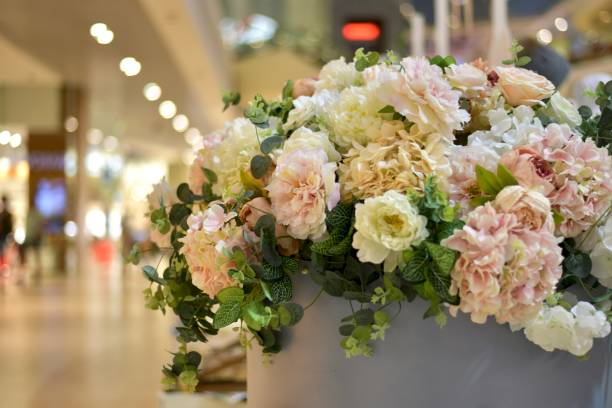
Artificial flower arrangements in Birmingham offer a versatile way to bring floral-inspired decoration into interiors while maintaining a consistent appearance. Modern artificial flowers are available in many colours, shapes, sizes, and styles, making them suitable for different design preferences. From subtle arrangements for smaller rooms to larger displays for spacious interiors, they can complement a wide range of décor themes.
Why Artificial Flowers Are Popular for Interior Décor
Artificial flowers can provide decorative value without requiring the same level of ongoing attention as fresh flowers. They can remain part of an interior design scheme for an extended period and can be moved between rooms or spaces when needed.
See also: How Locksmith Services Help Protect Your Property
Consistent Decorative Appeal
Fresh flowers naturally change over time, while artificial flowers can maintain their appearance for much longer when properly cared for. This makes them useful for interiors where a consistent decorative style is preferred.
A carefully selected arrangement can add colour and visual interest to a room without changing the existing furniture, wall finishes, or accessories.
Flexible Design Options
Artificial flowers are available in numerous varieties and arrangements. This allows them to work with different interior styles, including contemporary, traditional, minimalist, and classic designs.
The choice of flower type, colour combination, container, and arrangement size can all influence how the display fits within a room.
How Artificial Flower Arrangements Can Improve Different Areas
The placement of floral arrangements can significantly affect how they contribute to an interior. Different areas may require different sizes, colours, and arrangement styles.
Living Rooms
Living rooms often benefit from decorative features that create a focal point without overwhelming the existing furniture. An artificial floral arrangement can be placed on a coffee table, side table, shelving unit, or console.
Larger arrangements may work well in open spaces, while smaller displays can provide subtle decoration on shelves or occasional tables.
Dining Areas
Dining spaces can benefit from centrepieces that add colour and texture without taking up excessive table space. Artificial flowers can be arranged in compact designs that complement dining furniture and surrounding décor.
Neutral colours may create a calm appearance, while brighter tones can introduce a stronger decorative feature.
Bedrooms
Bedrooms generally benefit from softer decorative elements. Artificial flowers in muted or complementary shades can add visual interest to bedside tables, dressing tables, shelves, or other suitable surfaces.
The arrangement can be selected to complement existing bedding, curtains, furniture, and wall colours.
Offices and Workspaces
Workspaces can sometimes appear functional but visually plain. Floral arrangements can introduce decorative detail while maintaining a professional atmosphere.
A small arrangement on a reception desk, meeting-room table, shelf, or side cabinet can provide a simple way to add colour and character.
Choosing the Right Artificial Flower Arrangement
Selecting an appropriate arrangement involves more than choosing a favourite flower. The surrounding interior should also be considered.
Consider the Colour Scheme
Colour is one of the most noticeable aspects of any floral arrangement. The selected flowers can either complement existing colours or provide contrast.
For example, neutral arrangements can blend naturally with understated interiors, while stronger colours can create a focal point in rooms with simpler decoration.
Think About Proportion
The size of an arrangement should suit the space where it will be placed. A very large display in a small room may dominate the area, while a tiny arrangement may become visually insignificant in a large open space.
Consider the height and width of the arrangement alongside nearby furniture and other decorative objects.
Choose a Suitable Container
The container is an important part of the overall presentation. Its shape, material, colour, and size can influence the character of the display.
A simple container may suit modern interiors, while more decorative designs can work with traditional or more detailed décor.
Creating Focal Points With Artificial Flowers
Interior design often uses focal points to draw attention to particular areas. Artificial floral arrangements can help create these visual anchors.
Highlighting Empty Spaces
Large empty surfaces can sometimes make an interior feel unfinished. An appropriately sized arrangement can provide balance on a console, dining table, reception counter, or shelving unit.
The aim is not necessarily to fill every empty area, but to introduce decorative elements where they improve the overall composition.
Adding Contrast
A floral arrangement can also provide contrast against furniture and wall finishes. For example, lighter flowers can stand out against darker surfaces, while deeper tones can add definition to lighter interiors.
Using contrast thoughtfully can make the arrangement more noticeable without making the room feel cluttered.
Artificial Flowers for Different Interior Styles
One of the advantages of artificial flowers is their ability to adapt to different design approaches.
Modern Interiors
Modern interiors often use clean lines, simple furniture, and carefully selected decorative elements. Minimal floral arrangements with a limited colour palette can complement this style.
Simple shapes and restrained displays can maintain the clean appearance of the room.
Traditional Interiors
Traditional spaces may accommodate fuller arrangements with layered colours and varied flower shapes. These displays can complement classic furniture, detailed finishes, and decorative accessories.
Minimalist Interiors
Minimalist spaces typically benefit from simplicity. A single arrangement or small floral display can introduce texture and colour without disrupting the uncluttered appearance.
Maintaining Artificial Flower Arrangements
Although artificial flowers do not require watering, they still need occasional care to maintain their appearance.
Regular Dusting
Dust can accumulate on petals, leaves, and stems over time. Gentle dusting can help keep the arrangement looking clean and fresh.
A soft cloth, feather duster, or suitable cleaning method can be used depending on the material of the flowers.
Avoiding Excessive Moisture
Not every artificial flower is designed to withstand water or heavy moisture. Cleaning methods should therefore be appropriate for the materials used.
Following suitable care practices can help preserve the appearance of petals, leaves, and decorative containers.
Protecting the Arrangement
Direct sunlight, excessive heat, and unsuitable storage conditions may affect some artificial materials. Positioning arrangements thoughtfully can help maintain their appearance over time.
Using Artificial Flowers Throughout the Year
Artificial floral arrangements can be changed according to seasons, occasions, or interior updates. Different colours and styles can create a refreshed appearance without requiring major changes to furniture or room layouts.
For example, softer floral colours may suit spring-inspired décor, while richer tones can create a warmer appearance during autumn and winter. Seasonal changes can therefore be reflected through relatively simple decorative adjustments.
Artificial Flowers for Commercial Interiors
Artificial floral displays are not limited to residential settings. They can also be incorporated into commercial environments where presentation is important.
Reception Areas
A well-positioned floral arrangement can make a reception area feel more welcoming. The display can complement the company’s existing interior design without becoming the main focus.
Hospitality Spaces
Hotels, restaurants, venues, and other hospitality environments may use artificial flowers to add decorative detail to entrances, tables, lounges, and shared spaces.
Meeting and Event Areas
Floral arrangements can also provide decorative elements in meeting rooms and event spaces. Their flexibility makes them suitable for changing layouts and different occasions.
How to Create a Balanced Floral Display
A successful arrangement should work with the rest of the interior rather than compete with it. Balance can be achieved by considering colour, scale, texture, placement, and surrounding accessories.
Avoid placing too many arrangements close together if the room already contains numerous decorative features. Instead, consider using one or two carefully positioned displays to create visual consistency.
It can also help to repeat colours from the arrangement elsewhere in the room through cushions, artwork, curtains, rugs, or other accessories. This creates a connection between the floral display and the wider interior design.
Conclusion
Artificial flowers provide a practical and flexible decorative option for a variety of interior environments. With the right combination of colour, size, placement, container, and style, floral arrangements can enhance living rooms, bedrooms, offices, reception areas, dining spaces, and commercial interiors.
Whether the goal is to introduce colour, create a focal point, fill an empty area, or maintain a consistent decorative theme, artificial flowers can be adapted to suit different requirements. With thoughtful selection and basic maintenance, artificial flower arrangements in UK interiors can provide an attractive decorative feature throughout the year.